

Food Processing Industry Machines
Food Processing Machinery Manufacturer and Supplier
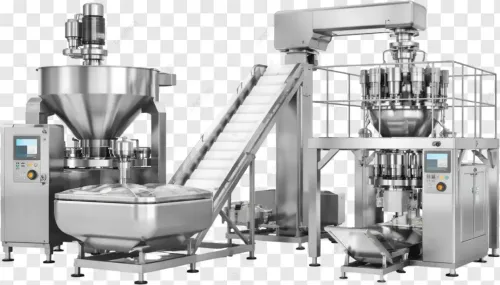
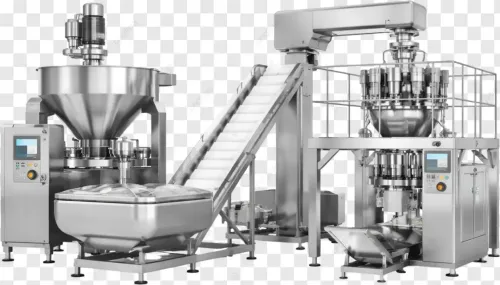
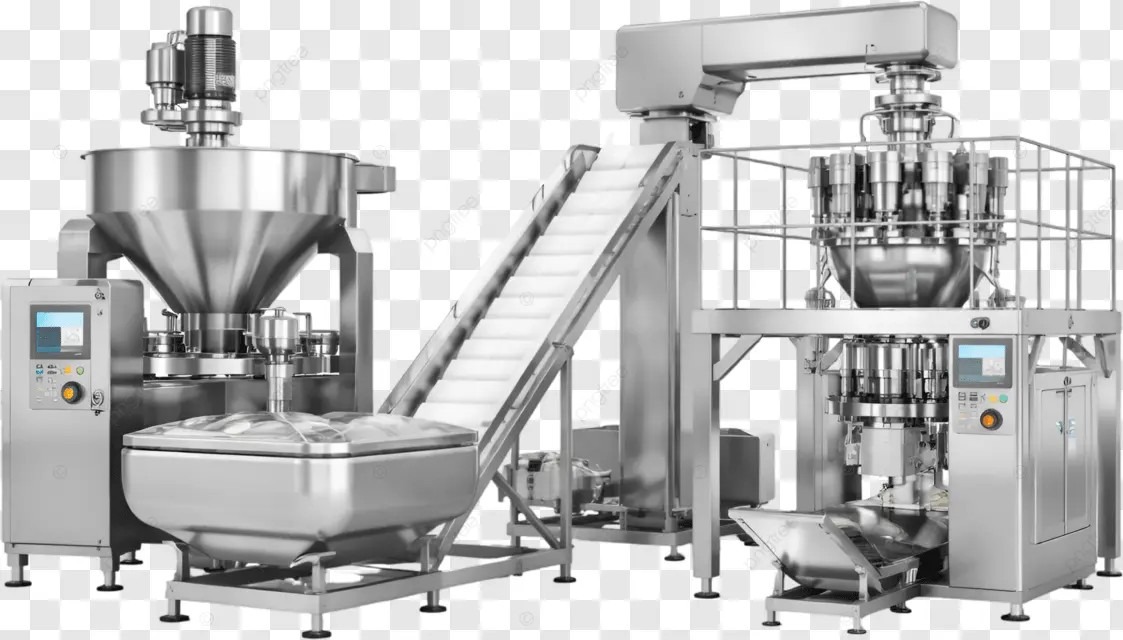
Food Processing Industry Machines play an important role in transforming raw ingredients into finished food products efficiently and consistently. These machines are used in food manufacturing plants, commercial kitchens, restaurants, bakeries, packaging units, and industrial food processing facilities.
Modern food processing machinery helps businesses streamline production, improve product consistency, reduce manual labour, and maintain hygienic processing conditions. Depending on the application, equipment can be used for cleaning, cutting, grinding, mixing, cooking, drying, filling, and packaging food products.
Types of Food Processing Industry Machines
1. Food Mixing Machines
Food mixing machines are used to blend ingredients uniformly for products such as sauces, dough, spices, snacks, and other processed foods.
2. Food Grinding Machines
Grinding machines process grains, spices, pulses, and other suitable ingredients into the required particle size or powder.
3. Food Cutting Machines
Food cutting equipment is designed to slice, dice, chop, or cut vegetables, fruits, and other ingredients according to production requirements.
4. Food Packaging Machines
Packaging machines help fill, seal, and pack food products for storage, transportation, and distribution.
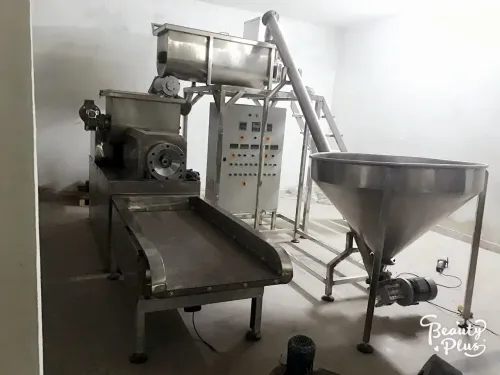
5. Pasta Making Machines
Pasta-making machines process dough into different pasta shapes, including macaroni and other varieties, depending on the machine configuration.
6. Food Extrusion Machines
Food extruders shape and process suitable ingredients into products such as snacks, cereals, and pasta.
7. Food Drying Machines
Drying equipment removes moisture from selected food products to support processing and storage requirements.
8. Food Filling Machines
Filling machines dispense measured quantities of liquids, pastes, powders, or granules into suitable containers or packages.
9. Food Cooking and Heating Equipment
Industrial cooking and heating machines are used for heating, cooking, or processing ingredients under controlled operating conditions.
Key Features of Food Processing Machinery
Efficient Production: Helps streamline food manufacturing operations.
Hygienic Construction: Food-contact surfaces should use suitable food-grade materials.
Consistent Processing: Supports repeatable results when operated within specified parameters.
Automation Options: Manual, semi-automatic, and automatic models are available for different requirements.
Easy Cleaning: Equipment should allow suitable cleaning and sanitation procedures.
Durable Construction: Properly selected machinery supports long-term industrial use.
Flexible Applications: Different machines can be selected for specific food products and processes.
Applications of Food Processing Industry Machines
Food processing machinery is widely used in:
Food manufacturing plants
Bakery and confectionery industries
Dairy processing facilities
Snack and namkeen manufacturing units
Grain and flour processing plants
Spice processing industries
Fruit and vegetable processing units
Pasta and noodle manufacturing facilities
Beverage production plants
Food packaging and distribution businesses
Benefits of Food Processing Machines
Investing in suitable food processing machinery can help businesses improve production efficiency, reduce repetitive manual work, maintain consistent product quality, and streamline their manufacturing workflow.
The right combination of machines can also help businesses manage production volumes, improve material handling, and support the expansion of their food manufacturing operations.
How to Choose the Right Food Processing Machine
Before purchasing food processing equipment, consider the following factors:
Type of Food Product: Identify the ingredients and final product to be processed.
Production Capacity: Choose equipment that matches your required output.
Material Quality: Verify that food-contact components are suitable for the intended application.
Automation Level: Decide between manual, semi-automatic, and fully automatic systems.
Cleaning Requirements: Check sanitation procedures and access to food-contact parts.
Energy Consumption: Review electrical or other utility requirements.
Maintenance and Support: Confirm warranty terms, spare-parts availability, installation, and service support.
Safety and Compliance: Check applicable food safety, machinery safety, and regulatory requirements.
Frequently Asked Questions (FAQs)
1. What are food processing industry machines?
Food processing industry machines are equipment used to prepare, process, cook, shape, preserve, or package food products.
2. What types of food processing machines are available?
Common types include mixing, grinding, cutting, cooking, drying, extrusion, filling, and packaging machines.
3. Which industries use food processing machinery?
Food processing machinery is used in bakeries, dairy plants, snack factories, spice units, beverage facilities, pasta production plants, and other food manufacturing businesses.
4. Are automatic food processing machines available?
Yes. Automatic systems are available for many food processing operations, depending on the product and production requirements.
5. Which materials are suitable for food processing machines?
Food-contact components should use materials appropriate for food processing, such as suitable stainless steel grades, selected according to the food product and operating conditions.
6. Can food processing machines be customised?
Some manufacturers offer customised machine configurations based on product type, production capacity, process requirements, and factory layout.
7. How do I select a food processing machine?
Consider the product, capacity, machine specifications, hygiene requirements, automation, energy consumption, and service support.
8. Are food processing machines suitable for small businesses?
Yes. Compact and small-capacity equipment is available for startups and small-scale food manufacturers.
9. Do food processing machines require regular maintenance?
Yes. Regular cleaning, inspection, and maintenance according to the manufacturer's instructions help support safe and reliable operation.
10. What affects the price of food processing machinery?
Price depends on machine type, capacity, automation, construction materials, included accessories, and installation or service requirements.
Conclusion
Food Processing Industry Machines are essential for businesses aiming to improve manufacturing efficiency, maintain consistent product quality, and meet growing market demand. Selecting machinery according to your product, production capacity, hygiene requirements, and budget can help create a more efficient food processing operation.