

A spring-roll line cannot be matched by comparing two machine names or motor sizes. You first need to identify whether the wrapper system uses liquid batter or rested dough, then match dough behaviour, batch timing, hygiene access and electrical requirements to the machine’s actual production rate.
Key takeaways
- Choose a dough-sheeting machine, not a heated-drum batter depositor.
- Specify wrapper thickness, width, length, moisture and output first.
- Balance kneader batch size with resting time and pieces per minute.
- Verify supplier documents, electrical load, water needs and line trials.
Start by Identifying the Wrapper Process
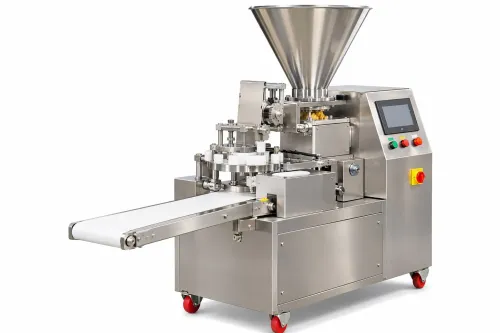
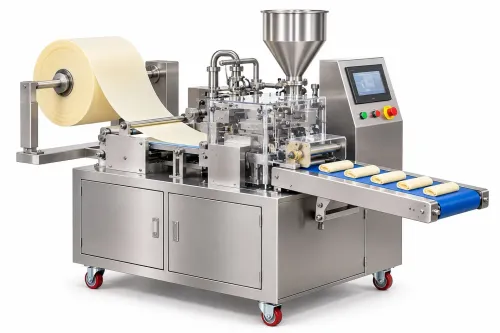
Choose a dough-sheeting automatic spring roll machine, not a heated-drum batter depositor, if you want to pair it with a stainless steel dough kneader. The automatic spring roll machine dough kneader combination must match wrapper thickness, width, length, moisture and pieces per minute; a kneader’s kilogram-per-batch rating does not prove compatibility.
Include a covered dough buffer between machines to prevent intermittent feeding.
| Process type | Input | Required upstream equipment |
|---|---|---|
| Dough sheeting | Rested dough | Kneader, covered holding bin, divider or feeder |
| Batter deposition | Liquid batter | Batter mixer, metered holding tank and heated drum |
The complete dough-based sequence is:
- Mix flour, water and other approved ingredients in the kneader until the dough develops the required gluten structure.
- Discharge the dough into a covered, food-grade holding system and rest it for the specified time. Skip resting and the sheet can retract, curl and vary in size.
- Divide or meter the rested dough into the automatic spring roll machine.
- Sheet it through calibrated rollers, then cut or form wrappers to the required dimensions.
- Feed wrappers to filling, folding and sealing stations.
- Discharge finished spring rolls for inspection, tray loading, freezing or packing.
Confirm what remains manual. An “automatic” line can still require operators to load dough, separate wrappers, replenish filling, clear misfeeds and stack products. These details determine the real labour requirement for spring roll production equipment.
Set the Dough Specification Before Choosing the Kneader
Do not choose a kneader by its kilogram rating alone. Thin spring-roll wrappers need a smooth, cohesive dough that sheets evenly, stretches without tearing, releases from rollers, and does not spring back or curl after cutting.
Dough mixing for spring rolls is a process-control task: flour temperature, water temperature, hydration, mixing time and discharge temperature all affect machinability.
| Characteristic | Spring-roll wrapper dough | Momo or roti dough |
|---|---|---|
| Texture | Smooth, uniform and non-lumpy | Firmer, with a more pronounced hand-working feel |
| Extensibility | Stretches into a thin, continuous sheet | Holds shape for rolling, folding or pleating |
| Elastic recovery | Low enough to prevent sheet retraction | Higher recovery is acceptable |
| Moisture | Set through trials for clean feeding and cutting | Set for hand shaping and cooking performance |
| Resting | Required before sheeting to relax gluten | Timing depends on the recipe and forming method |
Define the target flour, water ratio, dough temperature at discharge, mixing time, rest duration, sheet thickness, wrapper width and wrapper moisture before selecting equipment. Removing the rest period leaves elastic dough that retracts after sheeting, producing variable dimensions and curled edges.
For a food plant choosing a stainless steel dough kneader, run trials with the actual flour and record:
- Dough temperature at discharge
- Mixing time and hydration
- Dough weight entering the sheeter
- Sheet thickness after calibration
- Tears, sticking, retraction and edge curl
Choose the kneader only after its trial dough feeds continuously into the automatic wrapper line without manual correction.
Match Batch Size, Resting Time and Wrapper Output
Base the match on usable dough per hour, not the kneader’s nameplate batch. If the wrapper consumes 120 kg per hour and one batch yields 40 kg after trimming and handling loss, the line consumes three batches each hour.
Calculate the operating plan using these figures:
- Wrapper demand: 120 kg per hour ÷ 60 = 2 kg per minute.
- Usable kneader output: weigh the dough after discharge, not the rated vessel capacity.
- Minimum batch frequency: hourly demand ÷ usable batch weight, rounded up.
- Batch coverage: 40 kg ÷ 2 kg per minute = 20 minutes of wrapper running.
- Resting inventory: 2 kg per minute × the required rest period in minutes.
Three 40 kg batches meet consumption but leave no allowance for loading, mixing, discharge, cleaning or interruptions. If dough must rest for 30 minutes, the automatic spring roll machine dough kneader must produce ahead of the sheeter, with at least 60 kg of rested dough available before feeding begins.
Add more covered capacity when the kneader cycle takes longer than the 20-minute batch coverage.
Use a lidded, food-grade hopper or trolley and record entry and exit times, dough temperature and batch number. Set a maximum holding time through dough mixing for spring rolls trials and your food-safety plan; uncontrolled holding changes extensibility and increases microbial risk.
Feed continuously or in small portions at the wrapper’s measured rate, rather than emptying one batch at a time and forcing the sheeter to wait.
Compare Mixer Designs and Build a Hygienic Handoff
Choose a mixer by dough behavior and cleaning access, not by gross bowl volume.
| Design | Strength | Choose it when |
|---|---|---|
| Spiral | Strong gluten development with lower friction | You run medium or large batches of elastic wrapper dough. |
| Planetary | Interchangeable tools and precise small-batch control | You need flexibility across doughs, fillings or test batches. |
| Horizontal | Broad trough and direct discharge | You handle stiff dough or need fast loading and unloading. |
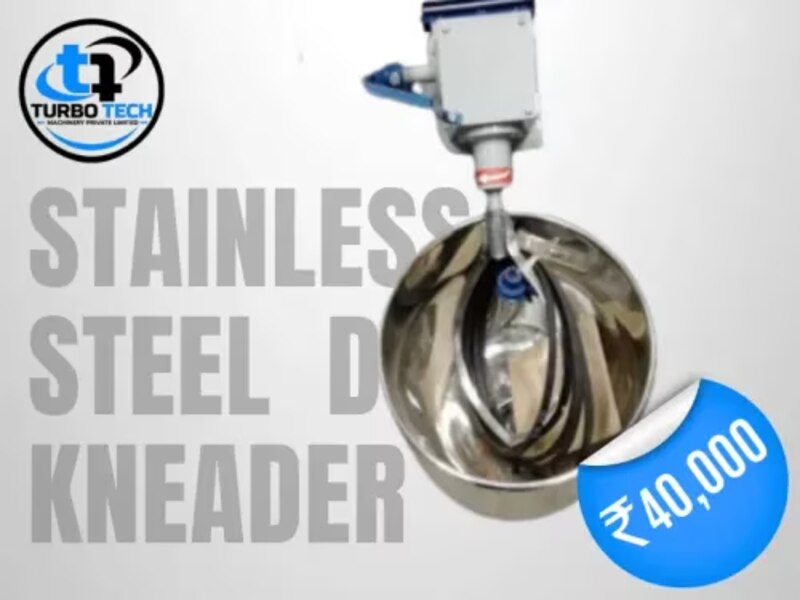
| Stainless steel kneader | Corrosion-resistant, inspectable product-contact surfaces | Hygiene, washdown and allergen control matter; specify the construction, not just the metal. |
A stainless steel dough kneader food plant installation needs smooth welds, no exposed threads or crevices, drainable surfaces, protected shaft seals and food-grade gaskets. Check the bowl, tool, guard, discharge and frame against ISO 14159 and EN 1672-2 principles. Stainless steel does not make a painted frame or inaccessible seal hygienic.
Put the discharge close to the next feed point, but leave clearance for tool removal, sanitation, lubrication and electrical-panel inspection. Use a bottom discharge, covered food-grade conveyor or lidded transfer bin; manual lifting creates injury, contamination and variable feeding risks for spring roll production equipment.
For an allergen changeover, remove retained dough, dry-clean flour dust, wash with the validated detergent, rinse, inspect seals and discharge points, then record the release. Keep flour movement away from cleaned dough-transfer routes. Test the smallest batch as well as the rated batch, because poor tool coverage can leave unmixed dough behind.
Verify the Delhi Supplier, Utilities and Line Performance
Do not approve the line until the supplier proves that the wrapper process, utilities and output match your plant. A kneader’s batch rating does not establish compatibility, and a heated-drum batter machine cannot use kneaded dough.
1. Ask which exact machine architecture is quoted: batter deposition or dough sheeting. Request the model, wrapper thickness, width, length, pieces per minute, dimensions, connected load and delivery date in writing.
2. Ask whether the kneader discharges into a covered, food-grade resting buffer and how its kilograms per batch match hourly wrapper consumption. Confirm that operators will not lift heavy dough between machines.
3. Request electrical details for both machines: voltage, phase, frequency, connected kW, full-load current, breaker rating, cable size and earthing requirement. Ask whether the line needs compressed air, water, drainage or exhaust.
4. Specify an acceptance test using your flour, recipe and operators. Measure dough temperature, resting time, sheet thickness, wrapper dimensions, pieces per minute, seal quality, rejects and a continuous production run; put pass limits in the purchase order.
5. Inspect product-contact surfaces, bowl, tool, seals, guards and discharge area for smooth welds, exposed threads and cleanable access under ISO 14159 and EN 1672-2.
6. Ask for Delhi service coverage, warranty exclusions, spare-parts list, technician response time, training, manuals and preventive-maintenance schedule. If Turbo Tech Machinery is quoting spring roll production equipment, ask it to demonstrate the complete handoff rather than the kneader alone.
This checklist is essential when comparing an automatic spring roll machine with stainless steel dough kneader in delhi: buy the tested line, not two compatible-sounding catalogue items.
Related products
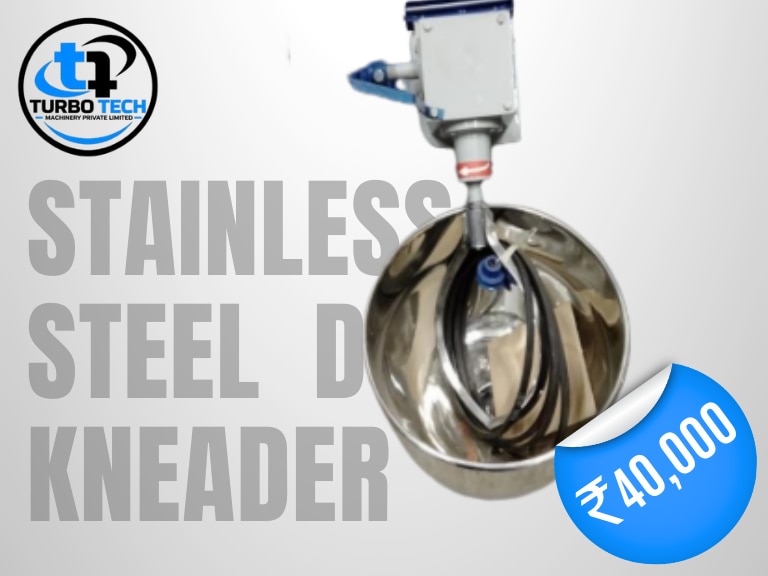 | Commercial Dough Kneading Machines ₹40000 Preparing dough repeatedly by hand adds time and physical effort to commercial kitchen operations. View product → |
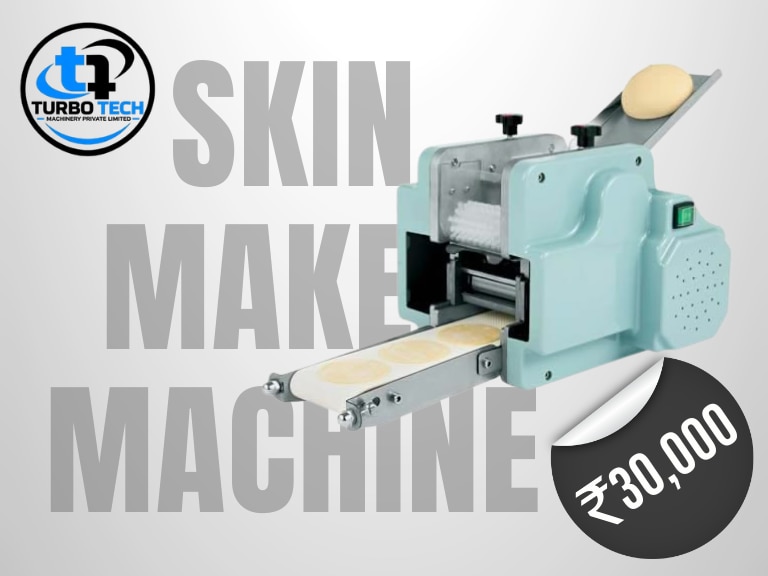 | Dumpling Wrapper Making Machines ₹30000 Preparing uniform wrappers is an important step in making dumplings and wontons. View product → |
Frequently asked questions
Which spring roll machine pairs with a stainless steel dough kneader?
Choose an automatic dough-sheeting spring roll machine that accepts mixed dough, rather than a heated-drum batter depositor.
What dough specifications must you set before choosing a kneader?
Set wrapper thickness, width, length, moisture and target pieces per minute before comparing kneader capacity.
How do batch size and resting time affect spring roll output?
Match the kneader’s batch size and dough resting time to the wrapper machine’s continuous output so the line does not wait for dough.
What should you verify with a Delhi machinery supplier?
Request equipment specifications, utility requirements, hygienic construction details and a line-performance trial using your dough recipe.