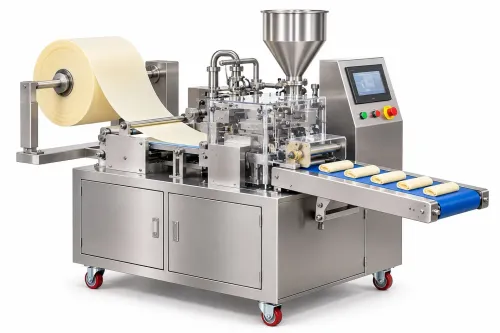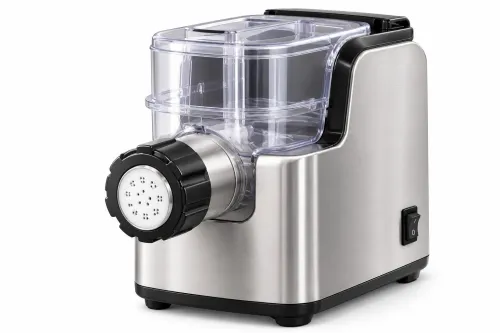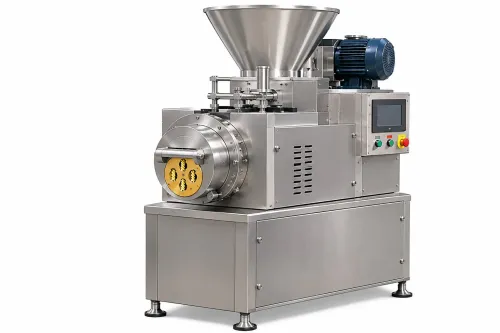


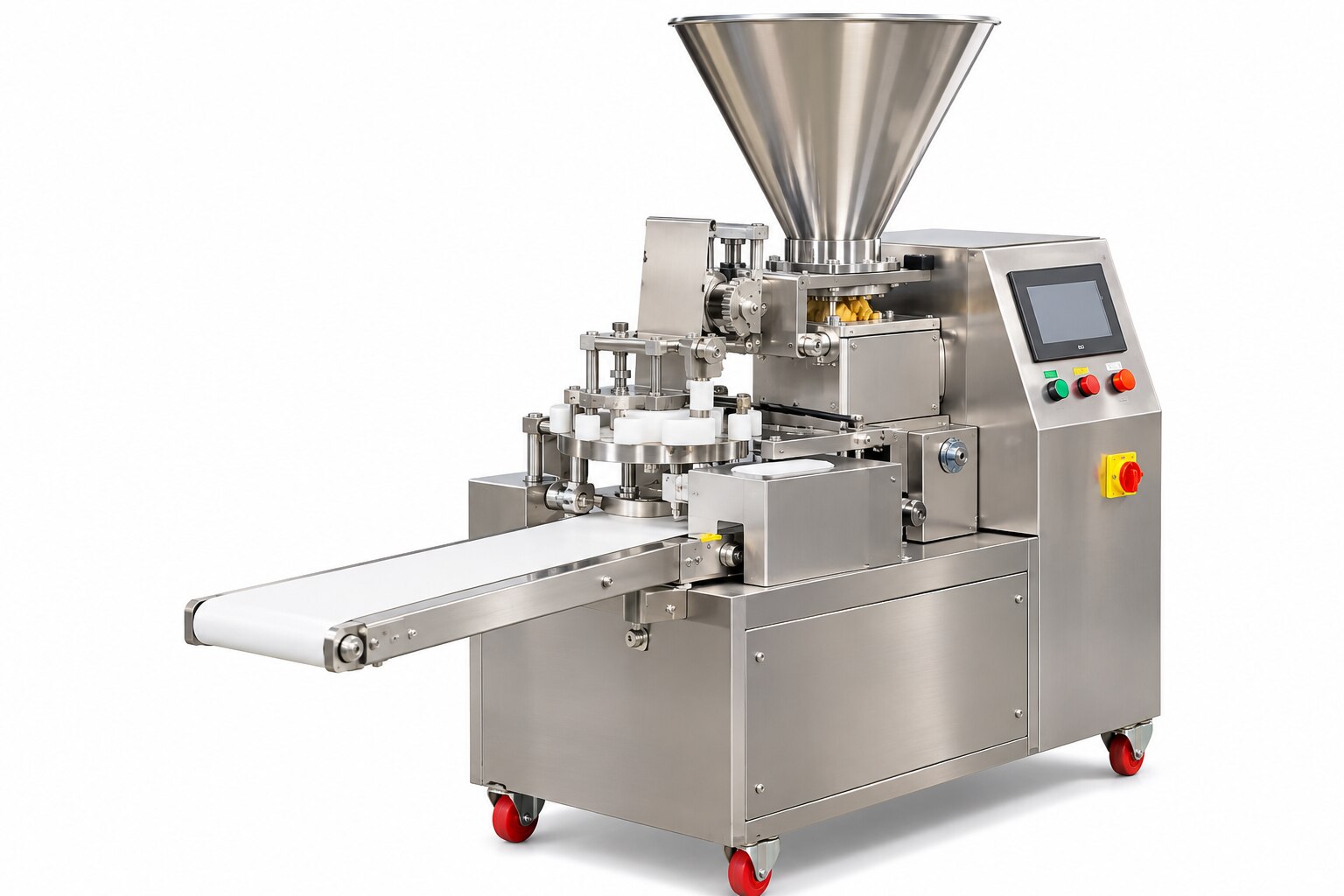
A momo machine is not a single answer to every production problem: some models only form and seal pieces, while others combine dough, filling and shaping. By defining your output, recipe, available utilities, cleaning process and acceptance test, you can compare equipment that fits your North West Delhi premises instead of relying on an advertised pieces-per-minute figure.
Key takeaways
- Choose a forming unit when dough and filling preparation are already controlled.
- Compare usable hourly output with labour saved across every production stage.
- Test Indian momo sizes, fillings, dough recipes and format parts before ordering.
- Put demonstrations, warranty coverage and spare-parts availability in the contract.
Decide Which Production Stages the Machine Must Handle
Choose a forming unit if your upstream preparation is already controlled; choose an integrated line when labour across several consecutive stages is the bottleneck.
Map the workflow from wheat flour dough mixing and resting to sheeting, wrapper cutting, filling preparation and portioning, shaping, sealing, tray loading, and steaming. This shows which stages a momo making machine must actually handle.
A forming-only momo machine still needs separate equipment or labour for dough mixing, wrapper production, filling preparation, and portion control. If wrappers vary in thickness or filling portions are inconsistent, operators will slow the machine and reject more pieces.
An integrated line combines several stages, reducing transfers between operators. It costs more, takes longer to clean, and becomes harder to change between momo sizes or recipes.
| Option | Stages handled | Main trade-off |
|---|---|---|
| Forming unit | Shaping and sealing after wrappers and filling are prepared | Lower scope and easier changes, but more upstream labour |
| Integrated line | Several stages from dough or wrappers through forming | Less consecutive manual labour, but higher cost and slower changeovers |
A semi-automatic machine does not remove all manual work. An operator may load wrappers and filling, monitor alignment, remove misshapen pieces, transfer momos to trays, and wash product-contact parts.
Record your present workflow, floor space, staff available, recipe changes, and cleaning time before choosing. Buy a forming unit when upstream output is repeatable; consider an integrated line when several adjacent stages consume your labour. Dough temperature, hydration, filling particle size, and viscosity determine smooth running, regardless of the machine’s label.
Calculate Acceptable Output and Compare Labour, Not Just Speed
Required pieces per hour = expected orders per hour × pieces per order. Increase that target for your busiest period, then divide by 1 minus the rejected-piece rate. For example, 80 orders × 6 momos = 480 pieces; with a 25% peak allowance and 5% rejects, target about 630 pieces per hour.
Compare labour-hours per 1,000 acceptable momos, not the machine’s headline speed. Record total staff time for loading wrappers and filling, tray handling, setup, changeovers, cleaning, rework, jam recovery and operator breaks, then divide it by the number of acceptable pieces and multiply by 1,000.
| Option | Practical trade-off | Best fit |
|---|---|---|
| Hand shaping | Lowest capital cost and maximum recipe or size flexibility; labour rises sharply with volume | Variable demand, frequent customisation or small batches |
| Semi-automatic dumpling machine | Controls forming labour while retaining moderate changeover flexibility; loading, tray transfer and inspection remain manual | Steady production with limited staff |
| Fully automatic commercial momo making machine | Higher throughput and lower direct labour; demands more maintenance, format parts and skilled changeovers | High volume with standardised recipes and sizes |
Treat catalogue maximum as a rating, not output. Ask the supplier to run your dough and filling continuously and record good pieces per hour, stoppages, misshapen pieces, refill time and cleaning time.
Whether comparing a momo machine for north west in delhi or a commercial momo making machine, require the quotation to show rated speed and demonstrated acceptable output as separate figures. A short empty-hopper demonstration proves little.
Match the Machine to Indian Momo Sizes, Recipes and Format Parts
A gyoza machine is not automatically suitable for Indian momos. Gyoza equipment may use different wrapper diameters, dough thicknesses, filling weights, shapes and sealing patterns, so test the exact momo before buying a momo making machine.
| Feature | Gyoza specification may differ | Indian momo trial must confirm |
|---|---|---|
| Wrapper | Diameter and thickness | Target diameter, dough thickness and variation |
| Filling | Weight, viscosity and particle size | Vegetable, paneer and chicken recipes |
| Seal | Fold, crimp or pressure pattern | Leak-free seal on the intended shape |
| Format | Fixed mould or die | Smaller and larger pieces using priced change parts |
Give the supplier your target finished-piece weight, wrapper diameter, dough thickness and acceptable variation. Ask which moulds, dies, nozzles, cutters and sealing components are included, then price every part needed for another size. A commercial momo making machine adjusted for one standard piece may produce poor seals or inconsistent weights outside that format.
Run wheat flour dough at the intended hydration and temperature with the actual fillings. Coarse cabbage, onion, spring onion, paneer or meat can block a narrow hopper or nozzle; watery filling can leak through the seal. Record filling temperature, particle size, moisture, rejected pieces and good pieces per minute.
Request these figures in writing: filling-weight range, wrapper-diameter range, dough-thickness range, hopper capacity, power load, phase, air requirement, dimensions, net weight and stainless-steel grade. Reject “food grade” or “steel” alone; identify the material of every food-contact part.
Check the Site, Hygiene Design and Ownership Requirements Before Ordering
An electrician must confirm voltage, phase, frequency, connected load, isolator, plug type and water-resistant electrical protection before you order a momo machine for North West Delhi. Higher-capacity equipment can need three-phase power, while many kitchens have only single-phase supply.
1. Measure the route, not just the footprint: doorway width, lift, stairs, unloading path, floor loading and drainage. Reserve clearance for loading dough and filling, removing parts, cleaning, tray movement and electrical isolation.
2. Run a dry inspection. Check that the hopper, auger, moulds, nozzles, belts and product-contact guards detach without specialist tools. Look for trapped dough or filling, confirm seals are replaceable, and reject inaccessible crevices.
3. Require the quotation to name the stainless-steel grade and finish for the hopper, auger, nozzle, mould, chute and fasteners. “Food grade” or “steel” alone does not identify corrosion resistance or cleanability.
4. Match the cleaning method to your FSSAI hygiene procedures. Ask Turbo Tech Machinery to record the configuration, site requirements and commissioning scope rather than supplying a generic quotation.
5. File the invoice, material declarations, cleaning instructions, maintenance records and commissioning report with the premises’ FoSCoS documentation. For used equipment, add the serial number, ownership papers and service history; inspect gearbox noise, oil leakage, shaft play, safety devices, welds and pitting before accepting it.
A machine that fits production but cannot be safely isolated, cleaned or documented is the wrong momo machine.
Related products
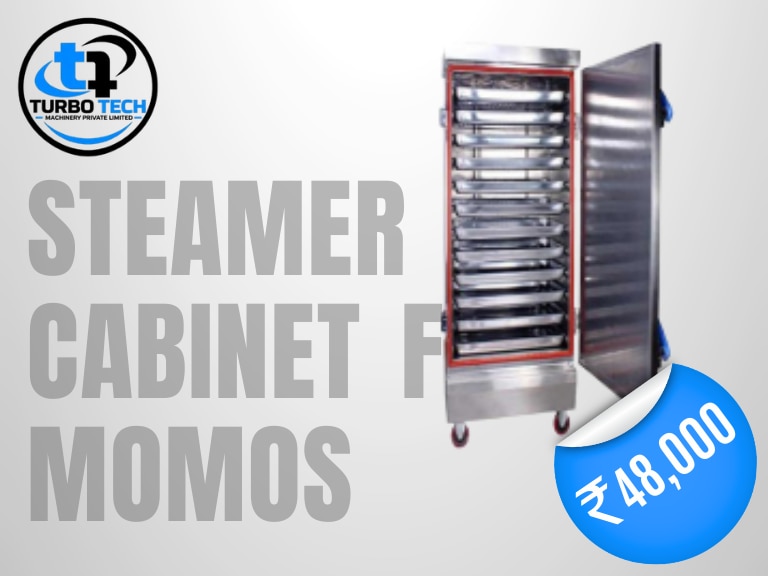 | Commercial Food Steamers ₹48000 Steaming momos in batches requires equipment that fits the kitchen’s production volume and available space. View product → |
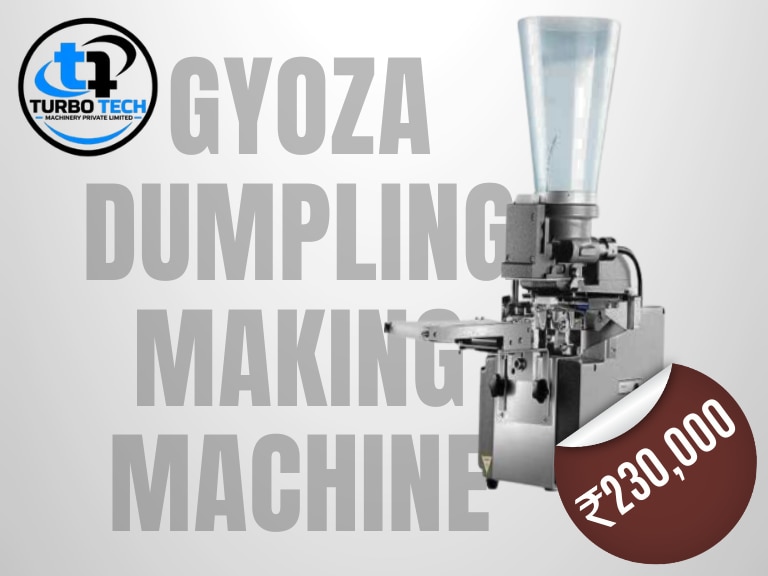 | Dumpling Making Machines ₹230000 Gyoza preparation involves repetitive filling and shaping work that can slow production when orders increase. View product → |
Make the Demonstration, Warranty and Spare-Parts Terms Part of the Purchase
A short empty-hopper demonstration proves little. Put a factory or supplier acceptance test in the purchase order and run the commercial momo making machine with your dough and filling for an agreed continuous period.
- Sampled piece weights and variation
- Seal quality and damaged or misshapen pieces
- Stoppages, jam recovery and refill time
- Cleaning time after production
Write the pass criteria before payment, including acceptable weight variation, minimum good pieces per hour, maximum damaged pieces, maximum stoppage time and required cleaning time.
| Purchase term | Write it into the order |
|---|---|
| Installation and training | Installation, commissioning, operator training and handover documents |
| Warranty and service | Warranty start date, breakdown response time, service visits, travel charges and consumables |
| Exclusions | Voltage fluctuation, incorrect cleaning and operator damage |
| Spare parts | Part numbers, prices, lead times and a recommended first-year stock |
Ask for prices and availability for moulds, cutting or sealing parts, nozzles, belts, bearings, food-grade seals, sensors, motors and gearbox components. A low-priced momo making machine becomes expensive when one imported part stops production.
For used or refurbished equipment, check gearbox noise and oil leakage, shaft and bearing play, electrical safety devices, welds and product-contact surfaces for pitting. Record the serial number, service history, ownership documents and which parts are new, then run a real batch; cosmetic refurbishment does not prove sanitary condition.
Choose the machine with the lowest cost per acceptable momo after labour, downtime, cleaning and spares—not the lowest purchase price.
Frequently asked questions
Should you buy a forming unit or an integrated momo-making line?
Choose a forming unit when your upstream dough and filling preparation is controlled. Choose an integrated line when labour across several consecutive stages is the bottleneck.
How should you compare momo machine output with labour?
Compare acceptable usable output with the labour required for preparation, filling, forming and handling. Do not choose on the advertised speed alone.
What should you test before buying a commercial momo making machine?
Test the machine with your dough, filling, momo size, recipe and required format parts. Confirm that the finished pieces meet your weight, shape and sealing requirements.
What purchase terms should you confirm before ordering a momo machine?
Confirm the site requirements, hygiene design, demonstration process, warranty coverage and spare-parts terms in writing before placing the order.
Related products
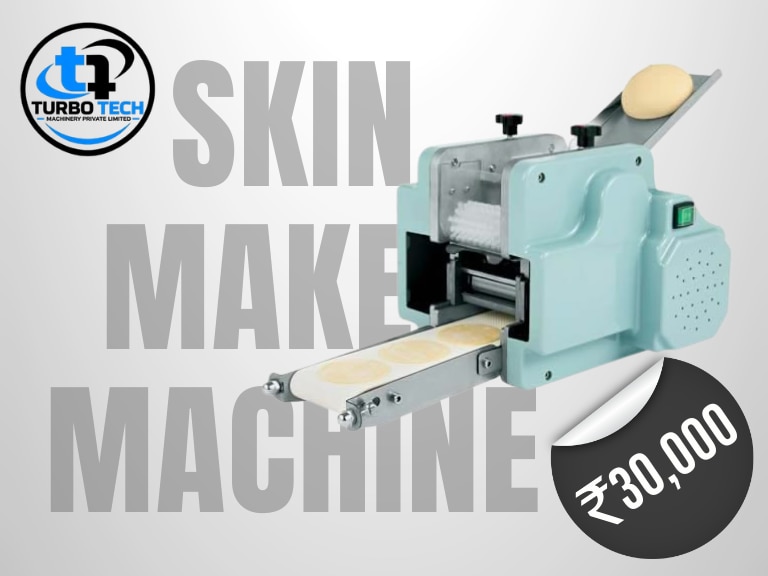 | Dumpling Wrapper Making Machines ₹30000 Preparing uniform wrappers is an important step in making dumplings and wontons. View product → |
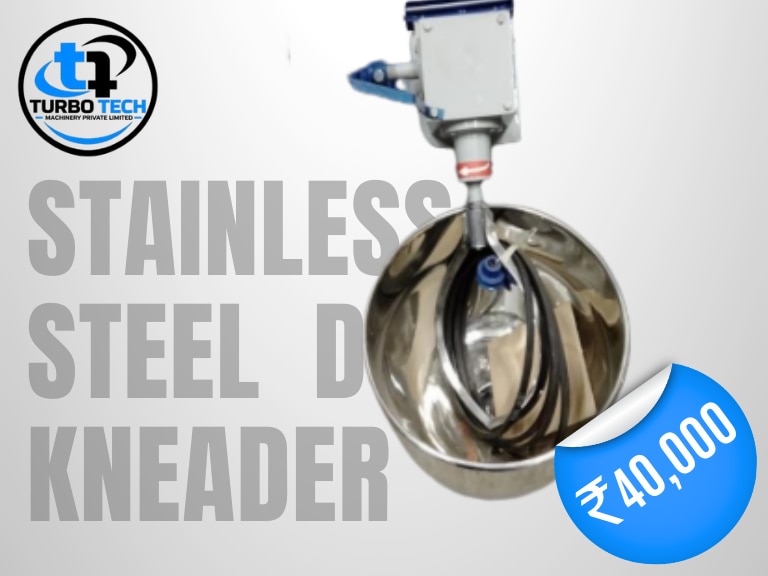 | Commercial Dough Kneading Machines ₹40000 Preparing dough repeatedly by hand adds time and physical effort to commercial kitchen operations. View product → |
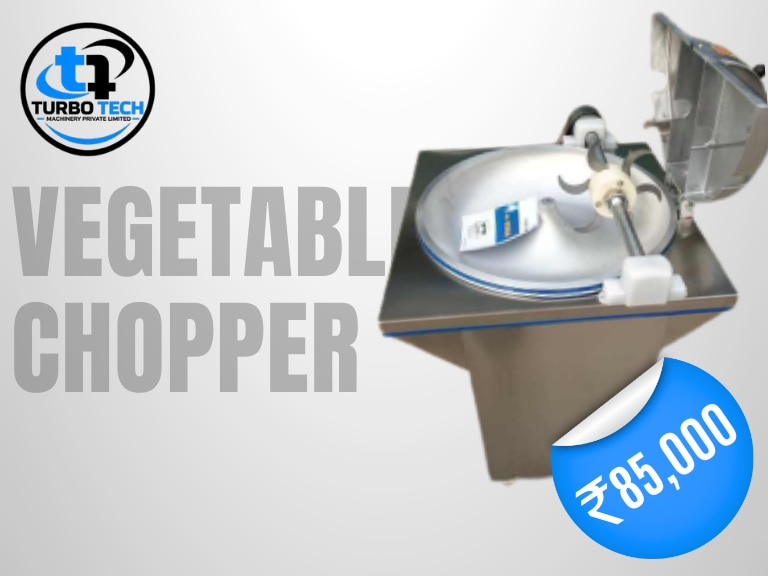 | Commercial Vegetable Processing Machines ₹85000 Preparing vegetables for fillings and bulk cooking can take considerable time when handled manually. View product → |
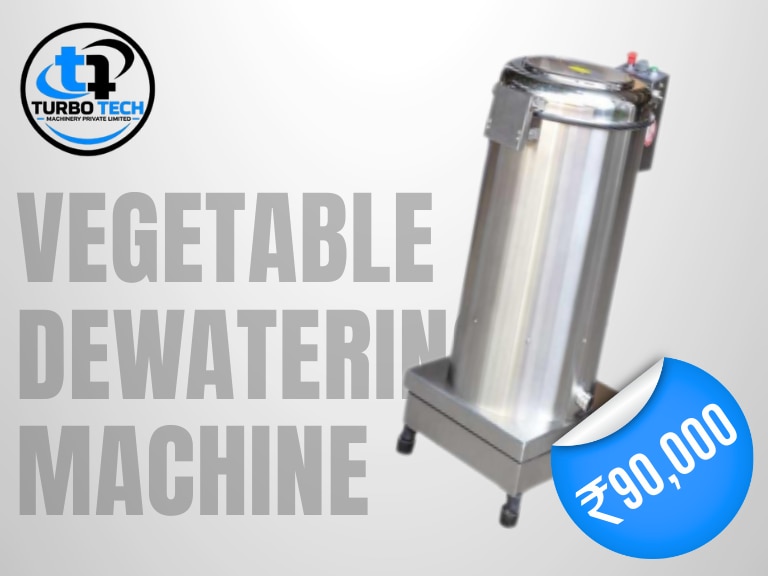 | Vegetable Dewatering Machines ₹90000 Excess moisture in prepared vegetables can make filling preparation more difficult to manage. View product → |